Technician Pipeline
Technician Vacancy Cost by Industry 2026: What It Really Costs
See how technician vacancies cost manufacturing, semiconductor, and aerospace firms. Industry benchmarks, CFO metrics, and ROI calculations for hiring strategy.
September 4, 2026

.svg)
Key Takeaways
- Manufacturing's productivity penalty: Unfilled technician roles cost $75K-$120K annually per vacancy in lost throughput, overtime premiums, and expedited hiring.
- Semiconductor's yield crisis: Process technician vacancies cost $200K-$400K annually in reduced yield, extended cycle times, and delayed capex utilization.
- Aerospace's compliance multiplier: Maintenance technician vacancies compound regulatory costs, liability exposure, and aircraft downtime far beyond base salary.
- Regional wage pressure: Technician vacancy costs spike 25-40 percent in high-demand labor markets, driven by competition and limited supply.
- Why this matters: Organizations investing in technician training through structured programs see 15-25 percent faster hiring and measurable vacancy cost reduction. The TPV-Technicians™ framework helps you measure this impact.
Your company's empty technician positions aren't just hurting your headcount. They're hemorrhaging cash every single day. When a manufacturing floor runs short on a CNC operator, you lose production, miss customer deadlines, and burn overtime budget. When a semiconductor fab can't fill a process technician role, yield rates slip and expensive equipment sits underutilized. When an aerospace maintenance crew goes understaffed, aircraft ground time multiplies, regulatory audits loom, and liability exposure climbs. These aren't soft costs or theoretical concerns. The workforce shortage financial impact of technician vacancies hits the P&L directly.
This benchmark digs into technician vacancy cost by industry for 2026, comparing manufacturing, semiconductor, and aerospace sectors head-to-head. We'll translate technician shortages into the metrics your CFO speaks: lost revenue, recruitment premiums, training cycle costs, and risk-adjusted vacancy impact. Whether you're building a multi-year technician staffing roadmap, justifying headcount to the board, or allocating capital for workforce development, this data tells the story you need.
TPV-Technicians™ measures technician portfolio value through completion-to-hire conversion, productivity gains, and capital allocation logic. Start building your technician pipeline with Unmudl, a training partner that develops skilled technician supply for employers across manufacturing, semiconductor, and aerospace.
Technician vacancy cost is the financial impact of an unfilled technician position, including lost productivity, recruitment premiums, training investment, and regulatory exposure. Costs vary dramatically by industry, from about $75K annually in manufacturing to $400K in semiconductor fabrication. Understanding your vacancy cost is the first step to building a strategic hiring and retention roadmap.
Manufacturing: The Productivity Math That Doesn't Lie
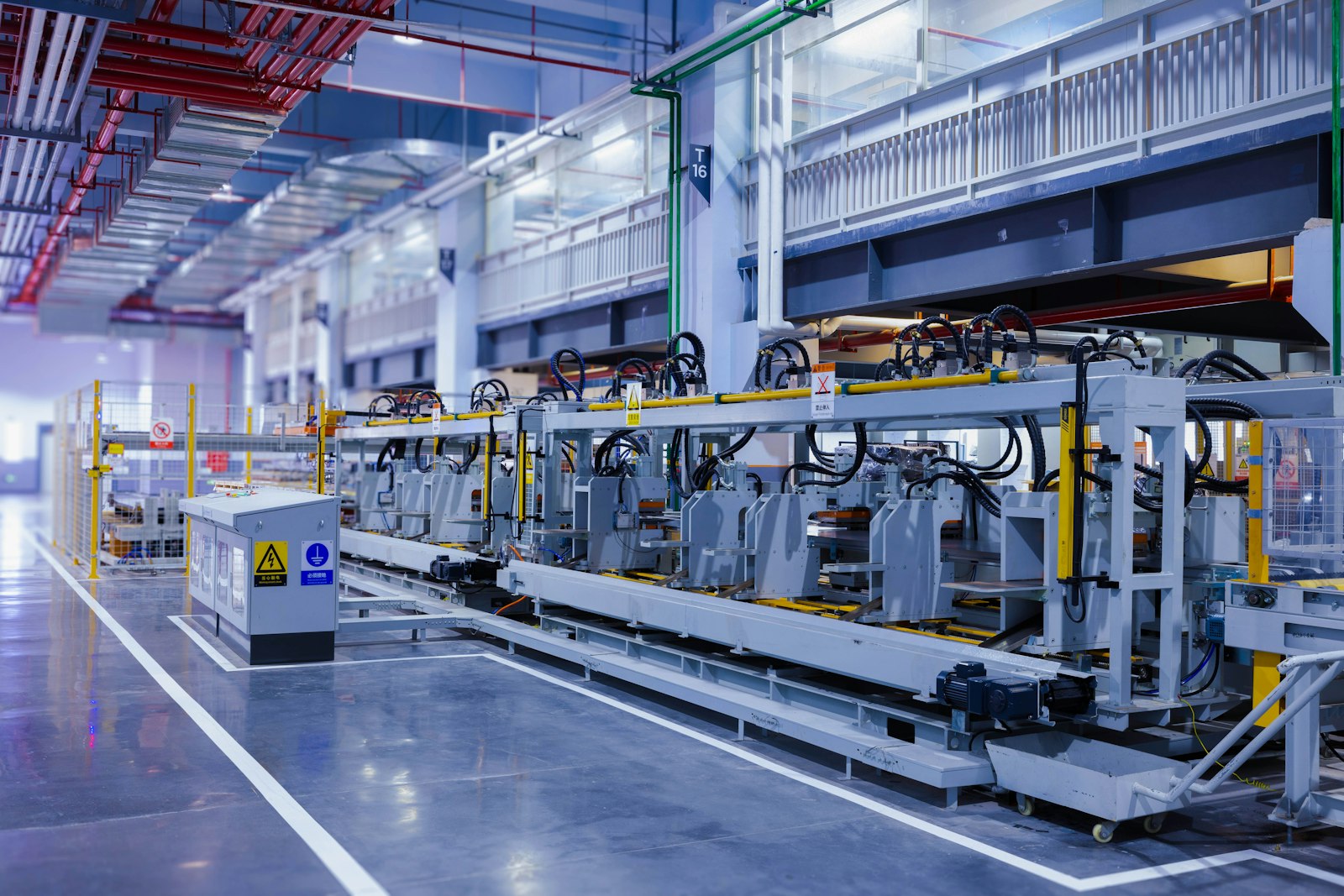
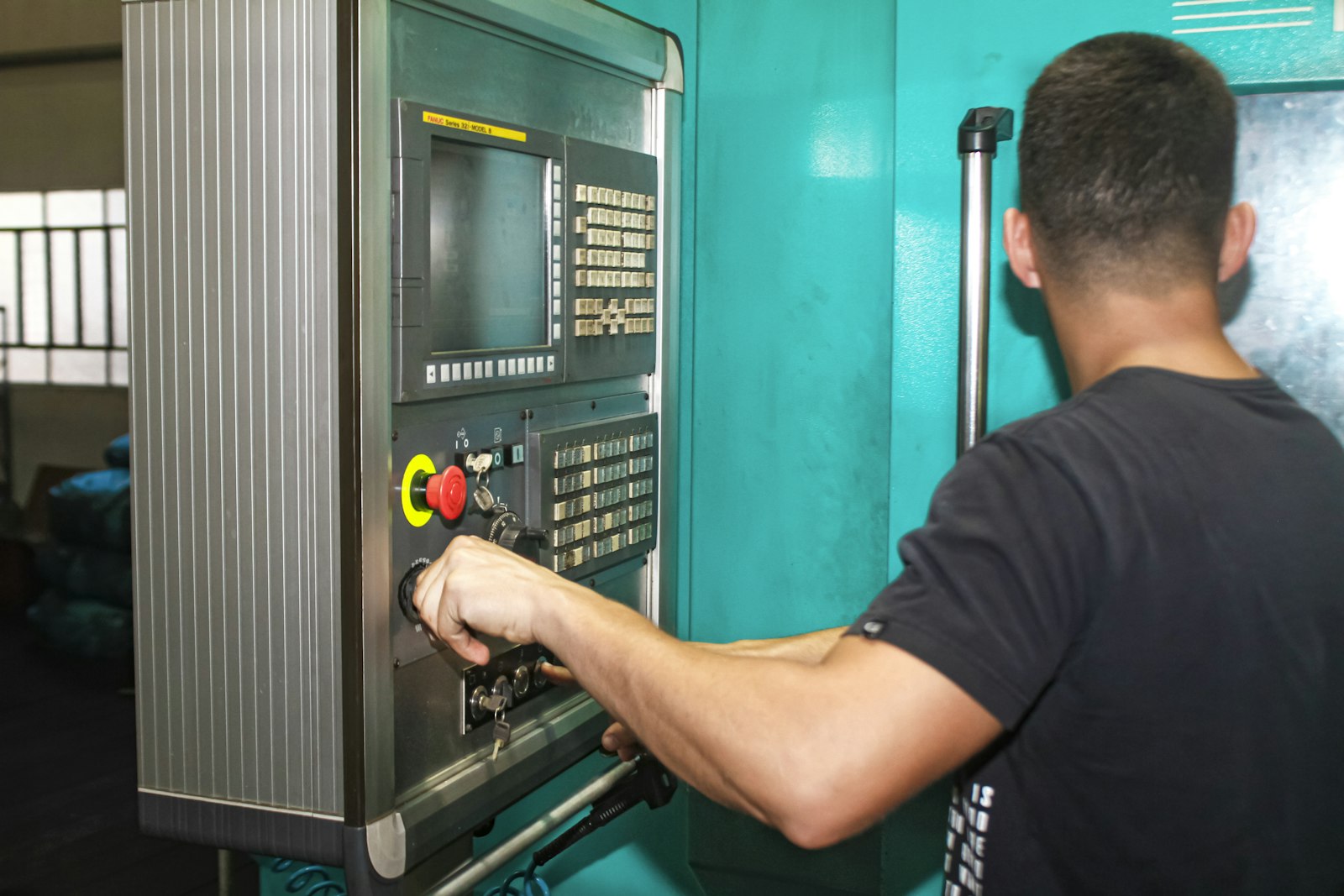
Manufacturing technician vacancies carry the highest operational cost impact of any sector. When a CNC machinist, PLC technician, or assembly line specialist sits empty, the financial cascade starts immediately. A single missing technician on a busy manufacturing floor creates a manufacturing technician shortage cost of $75K-$120K in lost productivity within the first quarter, and that figure excludes recruitment fees, temporary staffing premiums, and downstream delays in customer deliveries.
Manufacturing operates on tight production schedules and tighter margins, and every workstation flows into the next. When a technician role sits vacant, downstream stations pile up with backlog, remaining technicians absorb the overflow and burn out faster, and secondary vacancies follow. A shop floor with 200 technicians can lose 8-12 percent effective capacity per unfilled role. For a facility generating $50M-$100M in annual revenue, that's $4M-$12M in lost throughput annually.
Recruitment timelines make the gap worse. The average manufacturing technician takes 45-60 days to hire from requisition to start date, and during those weeks the cost multiplier accelerates: overtime budgets spike, temporary staffing at $30-50 per hour fills gaps, and background checks, interviews, and onboarding add $15K-$20K. The total recruitment cost for a single manufacturing technician now sits at $45K-$65K, roughly 2-3x the full-time hourly cost baseline.
Ramp-up productivity loss extends the vacancy cost further. New manufacturing technicians reach 50 percent productivity around week 4-6 and full productivity around month 4-6. If your production line generates $150K-$200K in revenue per technician annually, each new hire represents a 4-6 month ramp period at 50-80 percent of baseline, adding another $30K-$60K in vacancy cost per hire.
Manufacturing is also seeing rising wage pressure. Technicians skilled in modern precision, digital controls, and continuous improvement command 15-25 percent wage premiums over generalists, and wages have risen 8-12 percent annually for three years. Regional variation is significant, with high-cost areas running 30-40 percent above Midwest and Southeast baselines. Technicians skilled in Industry 4.0 technologies, digital diagnostics, IoT sensor integration, and predictive maintenance require specialized training. Unmudl's advanced manufacturing courses help manufacturers close that gap by training existing operators into modern technician roles and reducing external recruitment pressure.
The strongest manufacturers treat vacancy cost as a forward planning tool. They forecast seasonal demand, budget recruitment cycles in advance, and invest 2-3 percent of technician payroll into training initiatives, reducing vacancy cost by 15-25 percent through faster hiring, better retention, and stronger internal pipelines.

Semiconductor: The Specialized Technician Shortage That's Costing Millions
Semiconductor manufacturing vacancy costs operate in a different universe than other industries. Process technicians, equipment specialists, and materials handlers run equipment worth $5M-$50M per unit, manage nanometer-level process variations, and drive yield metrics that determine whether a $2B fab investment breaks even.
A single unfilled process technician role in a semiconductor fab creates a vacancy impact valued at $200K-$400K annually. A fab running at 85 percent capacity versus 95 percent due to technician shortages loses $5K-$15K in daily output; over 250 production days, that's $1.25M-$3.75M annually. Add extended equipment ramp cycles, which take 4-8 weeks longer without experienced technicians, and yield loss accelerates. A yield drop from 88 percent to 82 percent on a $500M annual fab revenue stream is $30M in lost product value.
Semiconductor firms compound the problem through recruitment cycles. Training a process technician takes 12-18 months, and most fabs maintain rolling hire programs, recruiting 10-20 percent above current staffing just to account for attrition and ramp time. If 15 percent of new technicians leave during training or within two years and training takes 15 months, a fab with 200 process technicians must continuously recruit about 30 new technicians annually just to break even.
The labor scarcity in semiconductors is structural, not temporary. Fab capacity growth since 2023, driven by CHIPS Act incentives and supply chain reshoring, has outpaced technician supply by 30-50 percent, and regional fab clusters are especially tight. Some manufacturers report process technician vacancy costs rose 40-60 percent from 2024 to 2026. Semiconductor process technicians earned $65K-$75K in 2020; by 2026 baseline wages sit at $85K-$100K in moderate markets and $110K-$130K in high-competition regions, with signing bonuses of $10K-$20K and relocation packages of $15K-$30K now standard.
Training depth compounds the cost. If your fab invests $50K-$80K in training per technician over 18 months and 15 percent leave before full productivity, that's $7.5K-$12K per technician in sunk training cost. The competitive squeeze is brutal, and aerospace and defense contractors compete for the same pool. Partner with Unmudl to build your own technician supply pipeline rather than competing desperately in external markets.

Aerospace: Compliance Costs and Aircraft Downtime That Compounds
Aerospace technician vacancies carry a unique cost profile: every empty role creates not just productivity loss but regulatory exposure and liability multipliers. Aircraft maintenance technicians, avionics specialists, and structural repair technicians operate under FAA oversight, where every procedure is documented and every credential verified. A single unfilled position can trigger compliance documentation gaps, create audit exposure, and in worst cases ground aircraft.
The direct annual cost of an unfilled aerospace technician role is $90K-$150K in lost maintenance capacity and delayed procedures, but indirect costs dwarf that number. Maintenance backlogs accumulate, and aircraft that should be flying instead sit in hangars. At $5K-$15K per day in foregone revenue per aircraft, downtime gets expensive fast, and contractors report that one unfilled technician role effectively grounds or delays 3-5 aircraft from revenue service.
Regulatory fines compound the problem. If a maintenance inspection is delayed due to staffing gaps, FAA fines start at $10K-$50K per violation and escalate for repeat offenders. Liability exposure rises as backlogs grow, and if a mechanical failure is traced to deferred maintenance, liability costs can reach into the millions depending on severity, while insurance premiums climb for companies with documented delays.
Aerospace technician recruitment is specialized. The FAA Airframe and Powerplant (A&P) license is required for most critical roles and takes 18-24 months to obtain. The credential is portable, so technicians move between employers easily, creating intense recruitment competition. A&P technicians earned $55K-$65K in 2020; by 2026 baseline wages sit at $75K-$90K in moderate markets and $100K-$125K in high-demand regions, with signing bonuses of $15K-$30K common and relocation adding $20K-$40K. Total hiring cost per aerospace technician now runs $60K-$80K, roughly 1.5-2x annual wage base. Unmudl's aerospace maintenance training helps contractors build sustainable technician pipelines.
Industry Comparison: Benchmarking Vacancy Cost
Technician vacancy cost benchmarking is where strategy lives. Different industries experience vastly different costs, but all share the same core challenge: translating labor shortages into financial language. When you benchmark vacancy cost, you're not just counting empty seats; you're quantifying impact, predicting future exposure, and building a business case for workforce investment.
An industry vacancy rate benchmark emerges when you segment by five variables:
- Hiring velocity: How many days until a role is filled? Manufacturing averages 45-60 days, aerospace 60-90 days, and semiconductor 90-120 days. Every additional 30 days of vacancy increases cost proportionally.
- Training and ramp-up time: When does a technician reach full productivity? Manufacturing reaches it in 3-6 months, aerospace in 6-12 months, and semiconductor in 12-18 months. Longer ramp-up multiplies total vacancy cost through extended productivity drag.
- Wage and recruitment premium by region: Technician wages vary 25-40 percent regionally, and high-cost markets drive vacancy cost upward through aggressive recruitment spending, signing bonuses, and relocation packages.
- Attrition risk during training and early tenure: Industry average is 10-20 percent, though some organizations achieve 5-10 percent through effective onboarding. Every additional 5 percent attrition adds $5K-$15K per technician in sunk training cost.
- Skills gap and training intensity: General roles require 4-8 weeks of training; specialized roles require 12-24 months and continuous development, carrying higher vacancy costs because training investment is deeper.
When you stack these variables, benchmarking becomes predictive. A semiconductor fab with 200 process technicians, a 12 percent annual vacancy rate, 90-day average fill time, 15 percent training-period attrition, and a 15-month ramp cycle is budgeting roughly $4.8M annually in vacancy costs. That number belongs on the CFO dashboard and becomes justification for workforce development investment.

Organizations benchmarking vacancy cost against peers discover patterns. Top performers invest 3-4 percent of technician payroll into training, maintain 5-8 percent attrition, and achieve 30-40 day average fill time through proactive recruiting. Average performers invest 1-2 percent of payroll, experience 12-18 percent attrition, and achieve 60-90 day fill times. Laggards invest less than 1 percent, experience 20-30 percent attrition, and achieve 120-plus day fill times. The cost difference is material: a 200-technician manufacturing facility can reduce annual vacancy costs by $1.5M-$2.5M by shifting toward top-performer benchmarks.
See your technician workforce ROI.
Calculate vacancy cost impact and explore training solutions with Unmudl. Strategic investment in technician development delivers 5-10x returns through reduced vacancies, faster hiring, and improved retention.
Take the TPV Health Check →
Frequently Asked Questions
Everything you need to know about getting started, what to expect, and where the opportunities are.
- A comprehensive technician staffing cost analysis starts with five components. First, calculate daily revenue loss from reduced capacity multiplied by vacancy duration. Second, add recruitment costs (recruiter fees, interviews, background checks), typically 15-25 percent of first-year salary. Third, include temporary staffing premiums if you use contractors ($30-50 per hour versus $22-28 for permanent roles). Fourth, add onboarding and training costs, including instructor time, materials, and lost productivity during ramp-up ($10K-$50K depending on complexity). Fifth, calculate attrition cost if new hires leave before full productivity. Add these together, and track by role and department to find your highest-cost shortages.
- Wage pressure drives two cost vectors. First, recruitment becomes more expensive in high-wage markets: budget roughly $45K per technician in the Midwest but $70K or more in Northern California once signing bonuses and relocation are included. Second, wage pressure compresses your recruitment window, because in tight markets candidates hold multiple offers and you have only two to three weeks to decide. Compressed timelines force expensive shortcuts such as expedited checks, higher bonuses, or less-qualified hires. Always segment by region when benchmarking to capture true cost variance.
- Recruitment cost is what you spend to hire someone: recruiter fees, advertising, background checks, and signing bonuses. Vacancy cost includes recruitment cost plus all downstream impact of the empty position, including lost productivity, temporary staffing premiums, delayed deliveries, compliance exposure, training investment, and productivity drag during ramp-up. Vacancy cost is much larger: a recruiting campaign might cost $10K-$15K, but the vacancy itself can cost $100K or more annually if unfilled for a quarter. That is why fast fills often save more than the recruiting premium costs.
- Significantly. If you spend $50K training a semiconductor technician over 15 months and that person leaves at month 12, you have lost $50K in training investment, which is added to the total vacancy cost for that role. If new hires show 15 percent attrition before full productivity, every tenth technician trained represents a complete loss of training investment. A one-point improvement in retention (from 15 to 14 percent attrition) saves roughly $5K-$10K per cohort, which is why leading companies treat retention and recruitment as linked metrics.
Building Your Technician Vacancy Cost Strategy for 2026 and Beyond
Technician vacancy cost benchmarking isn't an academic exercise. It's the foundation of strategic workforce planning. When you quantify what your vacancies cost, you stop treating technician hiring as a transaction and start treating it as a capital allocation decision.
The most successful organizations use vacancy cost data to make three strategic moves. First, they forecast seasonal and cyclical demand and build recruiting budgets around predictable gaps instead of chasing emergency hires. Manufacturing firms know Q3 and Q4 demand rises, so they start recruiting in Q2, and semiconductor fabs model capex cycles and front-load hiring when new equipment comes online.
Second, they invest in technician supply upstream through training partnerships with regional colleges, community organizations, and employers. Building pipeline before internal demand peaks is far cheaper than competing desperately for scarce technician supply mid-crisis. Third, they benchmark their vacancy cost against peers and identify where they're overpaying or underinvesting.
Analyzing technician recruitment ROI by sector shows that manufacturing, semiconductor, and aerospace organizations investing 2-3 percent of technician payroll into training and development see measurable returns: 15-25 percent faster hiring, 20-30 percent improved retention, and 10-20 percent lower total vacancy costs. If your technician payroll is $10M annually, investing 2-3 percent ($200K-$300K) in training might save $1.5M-$2M in vacancy costs, a 5-10x return.
Effective vacancy cost reduction strategies include proactive recruiting, retention focus, training partnerships, annual wage benchmarking, skills development for existing technicians, and strategic temporary staffing for predictable peaks. The technician labor market in 2026 remains tight, and vacancy costs won't decline until supply catches up with demand. Forward-thinking organizations can still reduce their exposure by benchmarking strategically, investing in pipeline, and managing retention proactively. Build a sustainable technician pipeline with Unmudl training partnerships that create competitive advantage before demand crises hit your organization.